
In today’s complex global landscape, nations are racing toward military acquisitions, with global defense spending reaching $900 billion last year. Yet, had a quarter of that sum been directed toward development and stability efforts, most of the world’s 56 active crises could have been resolved or greatly mitigated.
The confusion and uncertainty gripping the world have weakened the international systems designed to safeguard peace and security. As challenges intensify and options narrow, nations are increasingly searching for new pathways—alternative tools to restore balance. This was echoed by the UN Secretary-General during the Summit of the Future (September 2024) when he stated bluntly:
“We are not on the right track, and we will not achieve the Sustainable Development Goals on time.”
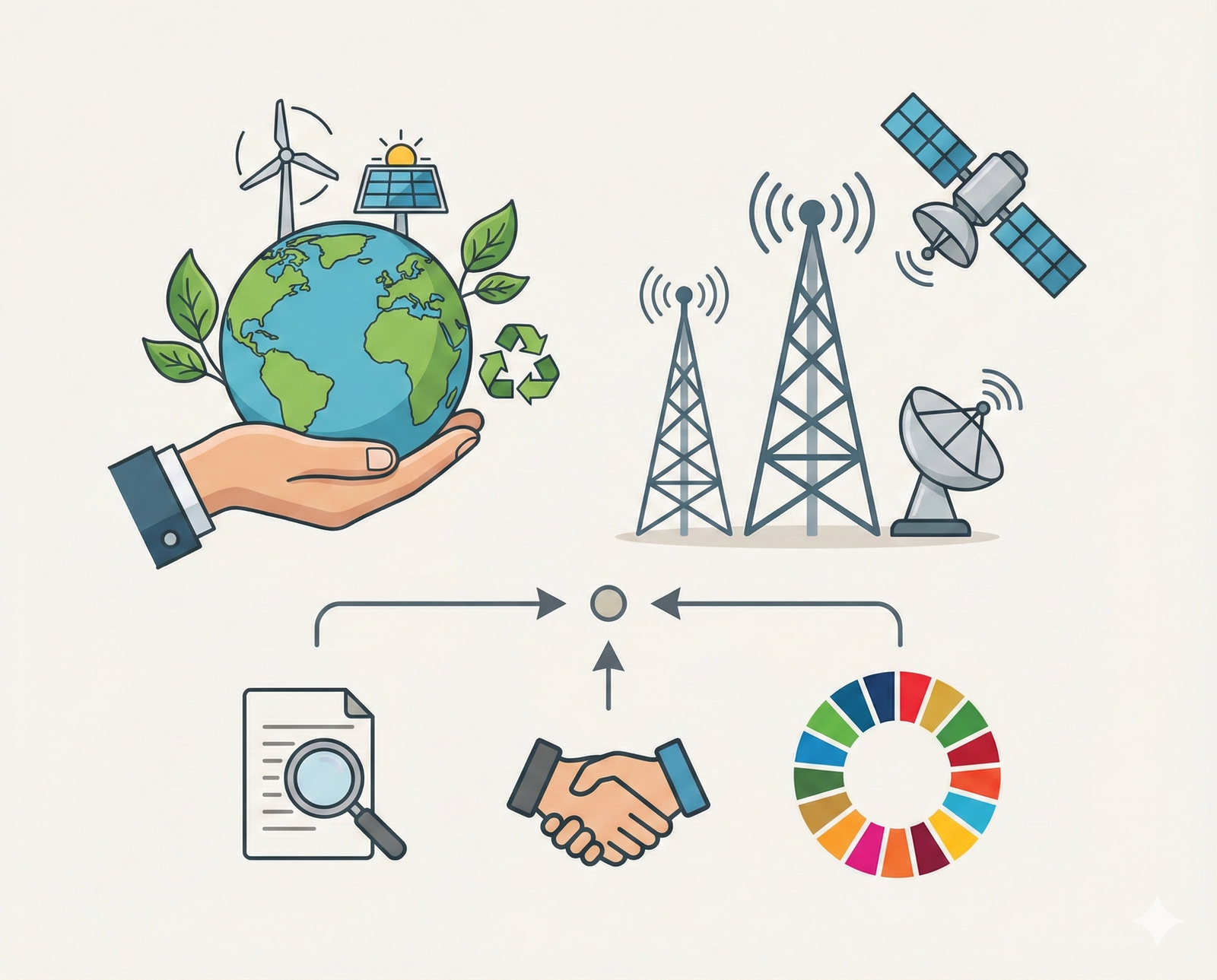
Among the promising horizons that help redirect the global compass lies the concept of soft power—a form of influence that transcends traditional measures of strength and the excesses of unrestrained capitalism. It reaches deeper—into hearts and minds. It is a subtle yet profound energy born from generosity, wisdom, and humanity; a force that turns nations into magnetic beacons whose components flourish without consuming one another, and whose resources are invested without eroding their present or compromising their future.
The Global Soft Power Index 2025—released recently—confirms what intuition has always suggested:
Countries rich in soft power assets are those most capable of shaping their own future and contributing to the future of the world.
These are countries that invest in people, embrace the SDGs not as numbers or obligations but as values, practices, and cultural convictions. Through this lens, nations transform their human and civilizational heritage into shields of “soft protection”—resilient, unbreakable, and globally admired.
How Soft Power Is Measured: Three KPIs and Eight Pillars
The 2025 index is based on a global survey of 170,000 participants across 100 markets, measuring three main KPIs:
- Familiarity:
How well global audiences know the country. - Reputation:
Positive or negative impressions of the nation. - Influence:
The country’s perceived global impact and leadership.
Performance is then evaluated across eight core pillars:
- Business & Trade – economic strength, products, and global brands
- Governance – government stability, rule of law, integrity
- International Relations – diplomacy, global partnerships, peacebuilding
- Culture & Heritage – arts, traditions, cuisine, historical richness
- Media & Communication – quality of media, global coverage, international broadcasting
- Education & Science – academic excellence, research output
- People & Values – hospitality, ethical values, quality of life
- Sustainable Future – environmental stewardship, green transition, renewable energy
Key Global Highlights from the 2025 Index
- The United States retained 1st place, despite slight declines in governance and people & values.
- China recorded major improvement in six out of eight pillars, signaling successful global reputation building.
- South Korea emerged as the fastest-rising nation, followed by El Salvador.
- The report—published annually by Brand Finance—reaffirms that nations with strong soft power are far more capable of managing global crises effectively.
How Nations Can Build and Strengthen Their Soft Power
Countries can strategically harness their heritage, cultural identity, and development achievements to shape a robust soft power strategy. This can be achieved through:
1. Humanitarian Diplomacy
Creating unified digital platforms to document impact stories from humanitarian and charitable initiatives—presenting evidence of positive change in beneficiaries’ lives.
2. International Outreach
Launching professional media campaigns in multiple languages to highlight humanitarian, cultural, and developmental contributions—leveraging global news outlets and influencers.
3. Strategic Partnerships
Innovative approaches such as:
- The Photography Fellowship launched by creative partners like Sami Al-Rumayan
- High-value collaborations with UN agencies, UNICEF, and other international organizations
These partnerships amplify credibility and expand global reach.
4. Cultural Diplomacy
Developing programs for youth and professional exchange that strengthen cross-cultural understanding and highlight national values.
Participation in global cultural forums, exhibitions, and art showcases adds depth and authenticity to a nation’s narrative—especially when heritage and modernity blend seamlessly.
5. Digital and Media Presence
Implementing targeted digital strategies to communicate national success stories, utilizing social media, international influencers, and public figures to ensure wide, global resonance.
Soft Power as a Path to Sustainability
The central idea is clear:
Strengthening soft power requires an integrated vision—one that combines:
- A nation’s rich heritage
- Smart investment in youth
- Active humanitarian and cultural diplomacy
Through this, local and regional appeal can evolve into global influence—helping shape a more peaceful and cooperative world rooted in human fraternity, not narrow interests.
This is where sustainability meets soft power:
Sustainability provides the values; soft power provides the voice.
Together, they offer nations a dignified pathway to global leadership—not through coercion, but through inspiration, connection, and shared humanity.
A Call to the Youth
We must become ambassadors of our nations—especially the rising generation.
It is the youth who must carry this banner, shaping the future with vision and creativity, and representing their countries with pride and integrity.
Let every project, initiative, innovation, and kind word be a link in the chain of sustainable soft power.