
coverage

المساهمة في تقرير BOND الوطني للمسؤولية الاجتماعية والتنمية المستدامة – قطاع الاتصالات

Contributing to the BOND National Report on CSR and Sustainable Development – Telecommunications Sector

As part of DAL’s endeavors to enhance specialized knowledge and support the transition toward more mature and sustainable practices, DAL contributed to the preparation of the BOND National Report on Corporate Social Responsibility (CSR) and Sustainable Development. The report focused on evaluating the performance of the telecommunications sector in the State of Kuwait. DAL played a pivotal role in: This work contributed to providing an integrated analytical framework that assists companies in transitioning from traditional CSR initiatives to responsible, data-driven strategic leadership aimed at creating Shared Community Value (SCV). This contribution underscores DAL’s commitment to supporting organizations and sectors in developing ESG systems, enhancing reporting transparency, and elevating institutional readiness to keep pace with developmental transformations.

المساهمة في صياغة تقرير الحوكمة المستدامة (ESG لاتحاد مصارف الكويت)

Contributing to the Drafting of the ESG Report for the Kuwait Banking Association (KBA)

Enhancing Transparency – Supporting Digital Transformation – Embedding Social Responsibility Practices As part of its commitment to supporting good governance practices and developing sustainability strategies within the financial sector, DAL contributed to the preparation of the Environmental, Social, and Governance (ESG) Report for the Kuwait Banking Association (KBA), in partnership with the Sonbola Foundation. The report provided a methodological narrative and a comparative analysis of Kuwaiti banks’ performance in Corporate Social Responsibility (CSR). It reviewed trends in social spending, avenues for community investment, and governance practices, alongside benchmarking against international models. This work serves as a reference to assist the banking sector in: This collaboration represents a significant step in cementing the role of Kuwaiti banks as key partners in sustainable development. It acts as an extension of DAL’s role in building impact ecosystems grounded in data and specialized analysis.

مشاركة DAL في ملتقى شركاء جسور 2025 – المنامة

DAL Participates in the Jusoor Partners Forum 2025 – Manama

DAL participated as a strategic partner in the Jusoor Partners Forum 2025, held in Manama on October 30, 2025. The event was organized by ESCWA in partnership with the Regional Network for Social Responsibility and various development institutions across the Arab region. This participation aligns with DAL’s role in fostering development partnerships and supporting community sustainability efforts at the regional level. Held under the theme “Effective Partnership and a Way Forward,” the forum highlighted the importance of cross-sector collaboration in youth empowerment, skills development, and the creation of employment and entrepreneurship opportunities. The program also featured specialized panel discussions addressing best practices in youth engagement and capacity building. The event witnessed the announcement of 10 new partnerships under the 2026–2027 action plan. It also included a youth exhibition featuring university students and entrepreneurs, who were introduced to the Jusoor initiative and its partners while exploring opportunities for professional collaboration. DAL’s participation in this regional event underscores its ongoing commitment to supporting the sustainable impact ecosystem and strengthening partnerships that contribute to empowering Arab communities and advancing sustainable development pathways.

Developing the Foundational Strategic Plan for “Istidama” Association

DAL for Community Sustainability supported the Istidama Association—the first organization dedicated to Social Responsibility—in developing its foundational strategic plan. This support was provided to Istidama as an emerging entity focused on aligning institutional operations with the Sustainable Development Goals (SDGs). This collaboration serves as an extension of DAL’s role in empowering community organizations and building their institutional capacities. The team contributed to formulating an integrated strategic roadmap for the coming five years, encompassing the vision, strategic priorities, and impact pathways. The DAL team engaged in a series of strategic dialogues with the Association’s leadership, which included a meeting with Her Excellency the Minister of Social Affairs, Family and Childhood Affairs. The meeting addressed promising prospects for collaboration and the Association’s role in promoting a culture of sustainability. Discussions also covered mechanisms for preparing sustainability reports for Ministry-affiliated entities to support transparency, governance, and national compliance. This project exemplifies DAL’s commitment to supporting emerging entities and community institutions, equipping them to become effective contributors within the sustainable development ecosystem.

Launch of the Community Sustainability (CS) Guide: A Strategic Step to Establish Governance Standards in the Charitable Sector

The release of the Community Sustainability (CS) Guide stands as one of DALcs.org’s most significant achievements in the realm of standard-setting and the development of guiding frameworks for the non-profit sector in Kuwait. Conceived as a proactive initiative, the project aims to anchor community work as an evidence-based strategic practice. The concept was presented to His Excellency the Minister of Social Affairs, Family and Childhood Affairs, in the presence of the Board of Directors of the Union of Charitable Societies and Foundations, where it received widespread support and appreciation. Subsequently, this effort culminated in the development of the first methodological framework for producing disclosure and sustainability reports for charitable institutions. This was achieved through the design and issuance of the CS Guide in collaboration with the Union of Kuwaiti Charitable Societies and Foundations. The value of this guide lies in its function as: Thus, the guide contributes to transforming sustainability concepts from mere slogans into tangible, measurable, and applicable practices. It enhances the charitable sector’s capacity to operate with efficiency, transparency, and sustainability.

المشاركة في مؤتمر REVOLVE الإنساني – إسطنبول 2025

Participation in the REVOLVE Humanitarian Conference – Istanbul 2025

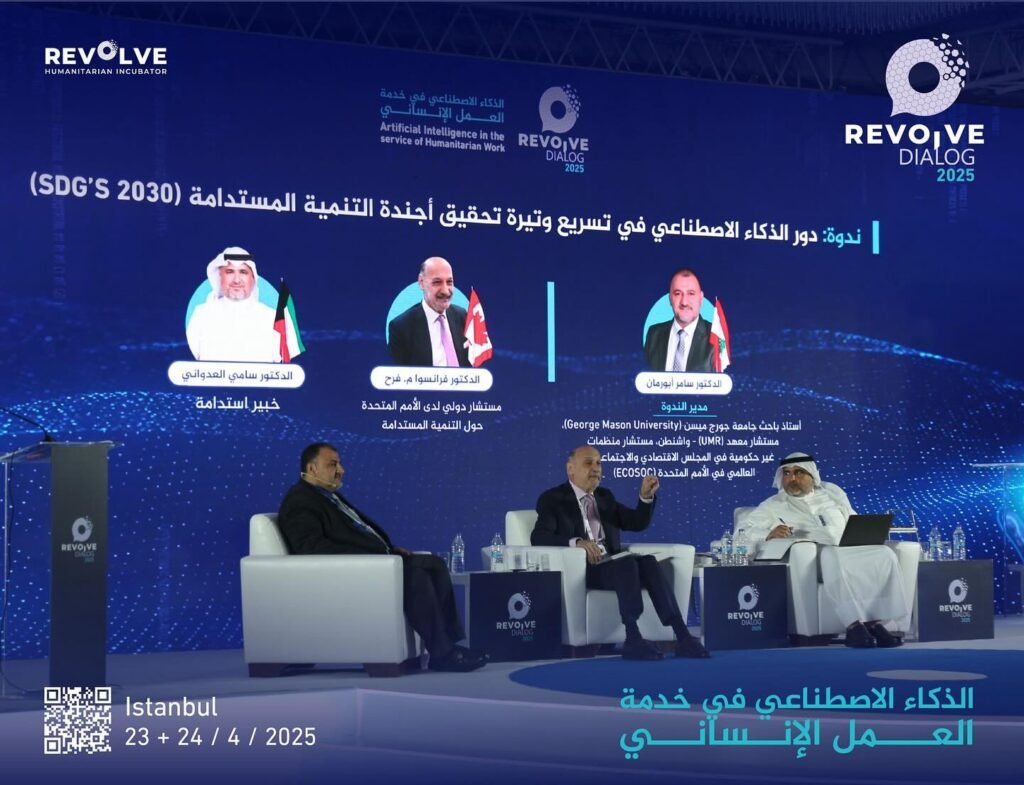
In May 2025, DAL for Community Sustainability participated in the inaugural REVOLVE Humanitarian Conference in Istanbul. The conference focused on: “The Role of Philanthropy in Accelerating the Achievement of the Sustainable Development Goals (SDGs 2030).” This participation aligns with DAL’s efforts to enhance the community sector’s presence in regional discussions regarding sustainability and governance. The conference served as a vital platform for networking with civil society organizations, charitable associations, and international humanitarian actors, as well as for exchanging expertise on philanthropic trends and strategies for directing impact toward sustainable development. During the proceedings, sessions featured extensive discussions and notable engagement regarding the future of the charitable sector and the potential to strengthen its role in implementing the 2030 Development Agenda. DAL presented a key working paper titled: “Opportunities for Charities to Align with the SDGs and Mechanisms for Implementation” Presented in collaboration with international expert Francois Farah, the paper reviewed practical models and applied frameworks designed to assist charitable institutions in developing their policies and programs to ensure genuine alignment with the Sustainable Development Goals. This participation reflects DAL’s vision of fostering integration between philanthropic and developmental work, and supporting community institutions in transitioning from traditional initiatives to sustainable impact that reflects both national and international transformations.

Innovative Solutions to Address Sustainable Funding Challenges in the Gulf Non-Profit Sector

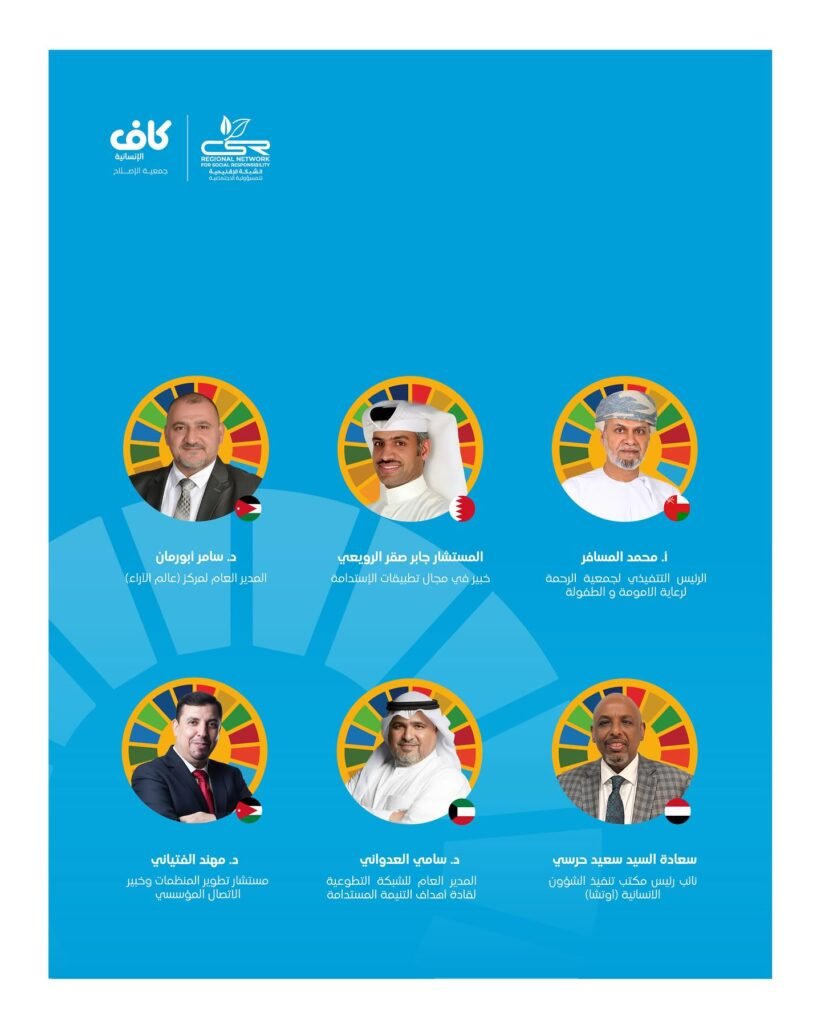
In light of the rapid transformations witnessed by the Gulf non-profit sector towards enhancing financial sustainability, DAL participated in the Kaf Humanitarian Foundation conference in the Kingdom of Bahrain. The organization presented a specialized methodological paper addressing the funding challenges facing non-profit institutions and exploring new horizons for sustainable financing. The participation took place during the “Horizons of Sustainable Development in the Gulf Non-Profit Sector” conference. The event focused on the growing shift from traditional donations to innovative financing tools aligned with international trends, including Social Impact Investing, and the construction of self-funding ecosystems that are more flexible and resilient. The paper presented by DAL highlighted the following: The presentation was attended by leaders of community institutions from the region and was held under the official patronage of the Undersecretary of the Ministry of Social Development in the Kingdom of Bahrain. This fostered an open dialogue regarding sustainable funding opportunities and future tools. This participation underscores DAL’s commitment to supporting strategic transformations within the non-profit sector. It also highlights its role in providing institutions with knowledge frameworks that assist in building funding models capable of withstanding challenges and achieving lasting developmental impact.

صون الريادة الإنسانية الكويتية… دروس من الماضي ورؤى للمستقبل

Preserving Kuwait’s Humanitarian Leadership: Lessons from the Past and Visions for the Future

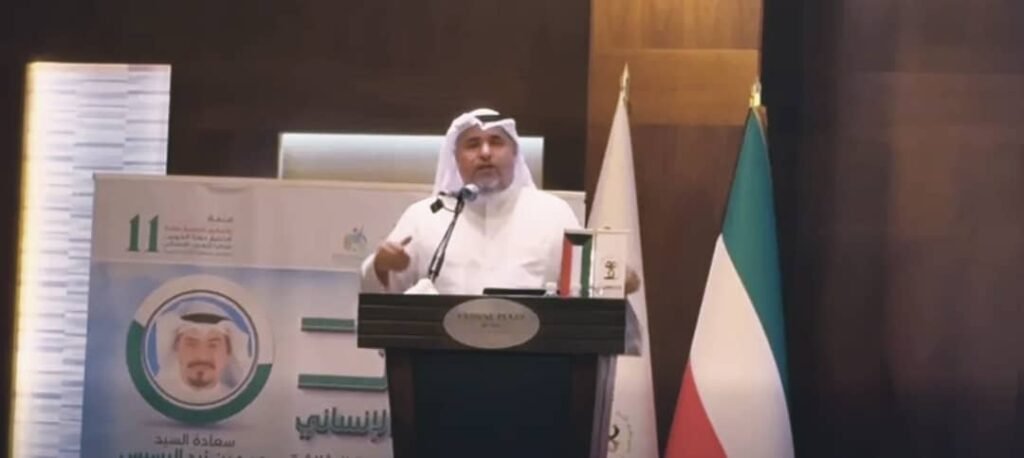
At the 2025 Humanitarian Action Forum, Dr. Sami Al-Adwani delivered a keynote titled: “Preserving Kuwait’s Humanitarian Leadership: Lessons Learned and Future Outlook.” He highlighted Kuwait’s long humanitarian journey—how the country transformed charitable impulses from emotional reactions into a deeply rooted national project built on justice, compassion, and human dignity. Dr. Al-Adwani emphasized that leadership is not preserved through slogans, but through review, renewal, and good governance.He noted that humanitarian work requires management tools as efficient as those used in development, for sustaining a mission begins with sound governance that balances values with impact, and intentions with methodology. He then outlined several key lessons that could shape the roadmap for the coming phase: He concluded with a set of important recommendations… In this direction, DAL continues to advance efforts to integrate humanitarian action with sustainable development practices, grounded in the belief that when generosity is managed with knowledge and awareness, it evolves from a temporary initiative into a lasting human impact that enriches communities.

Scroll to Top